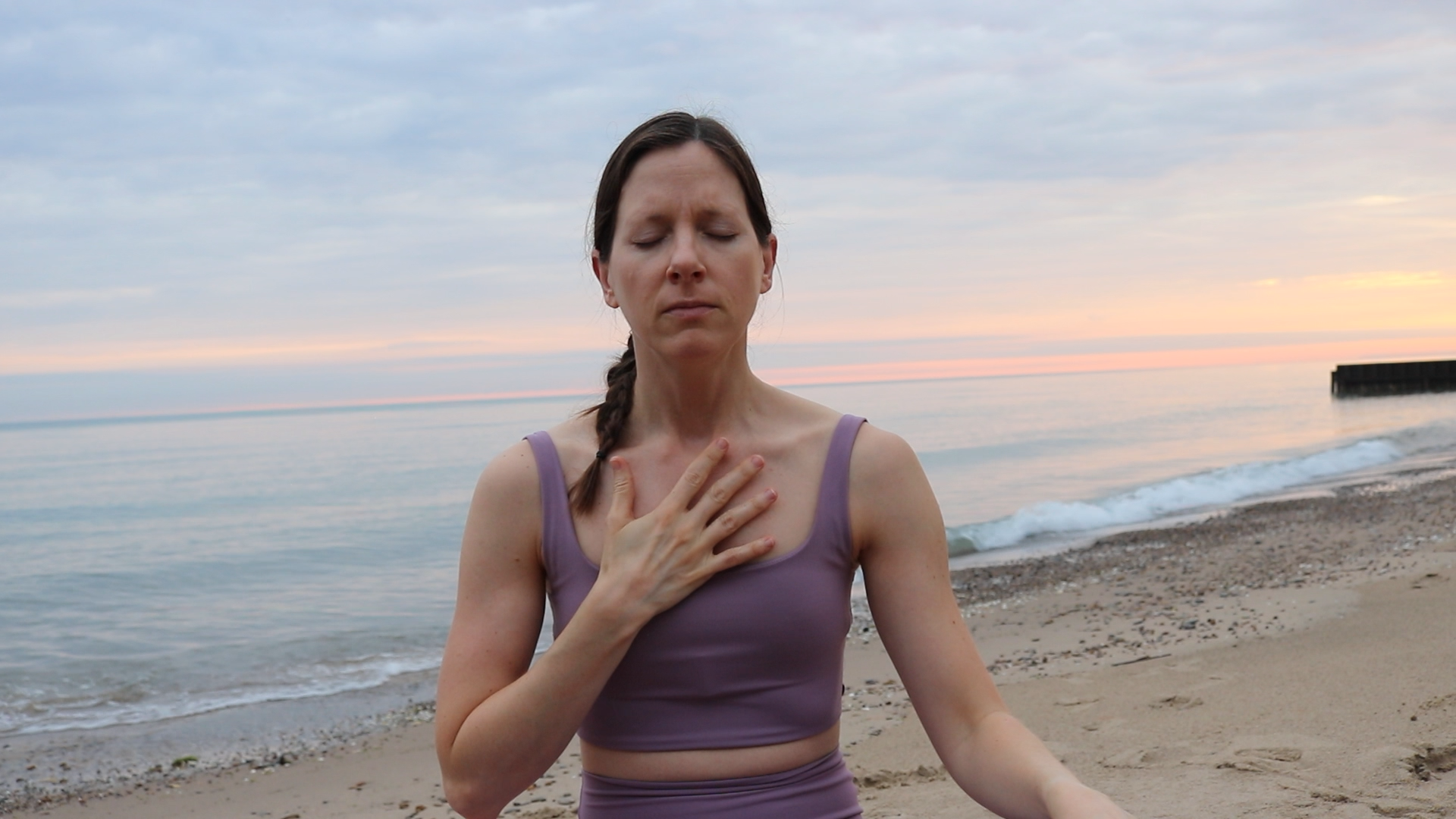
Benedicte Lauziere Benedicte Lauziere

What is Breathwork?

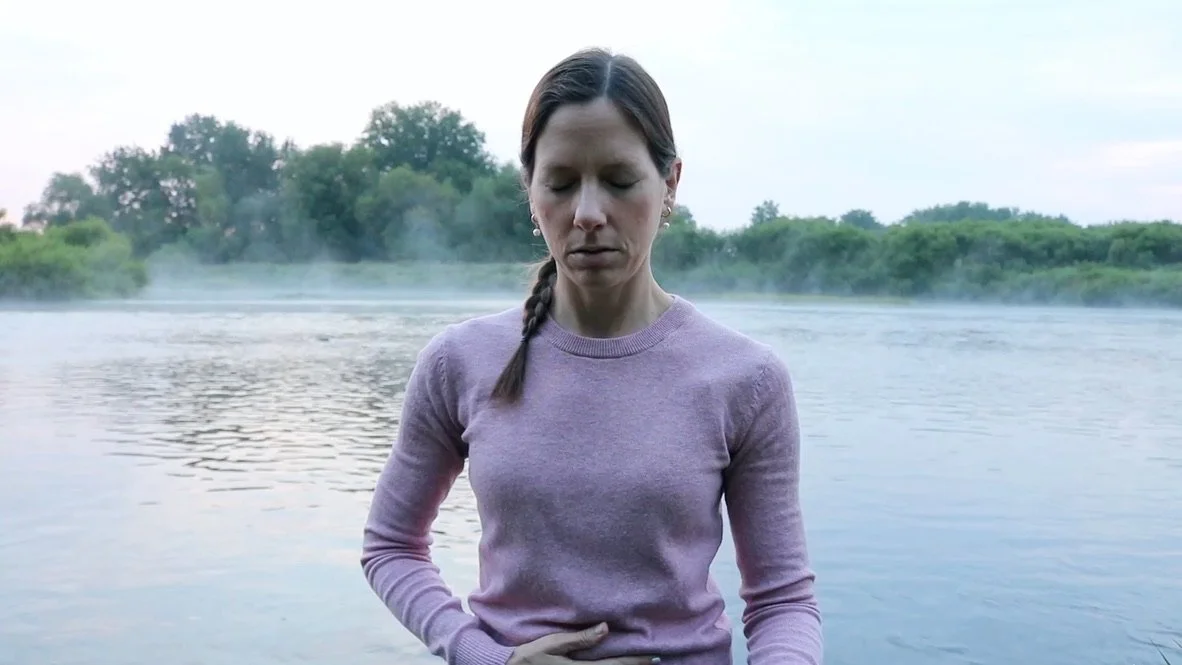
Now that I’ve shared the impact breathwork has on my life and my ability to show up authentically and regulated in all areas of my day-to-day (read here if you missed it), you may be wondering, what exactly is breathwork? And why does it matter? I know it sounds strenuous, just by having the word “work” in it, but it’s actually easier and more natural than it sounds.

Did you know that out of all the automatic body functions, breathing is the only one we can consciously control? Automatic body functions are involuntary, subconscious processes regulated by the autonomic nervous system (ANS), which manages essential tasks like heart rate, blood pressure, breathing, digestion, and body temperature.

The autonomic nervous system operates via two main branches:

  • Sympathetic (often called fight-or-flight)

  • Parasympathetic (rest-and-digest)

The goal of the body is to maintain internal stability (homeostasis). But in our fast-paced reality, our body can get caught in a sympathetic loop without us even being aware. Just so we’re clear, both branches are necessary, and although today’s popular notion that the sympathetic state is “bad” and the parasympathetic is “good”, the goal of breathwork is to restore a balanced state.

How a breathwork session works

In a session, we use different breathing patterns to gently guide the body back toward balance.

Let’s say someone arrives to a session in fight-or-flight mode, I will first invite a down-regulating breath pattern to support the parasympathetic response and help the body settle.

Once the body feels safe and more regulated, I might invite the breather to explore a more activating breathing pattern, always at their own pace and within their comfort zone. This is often where something powerful happens. When the body feels safe and the mind quiets, we can begin to process and release what has been held beneath the surface.

Once the active breath is complete, I slowly invite the breather to return to their natural breath and bring their awareness back to their body and their surroundings. This is where integration is possible, where our minds can catch up to the physical experience, and where balance is restored.

What makes breathwork different from everyday breathing?

After all, we’re breathing all the time, so what’s the difference? The key is AWARENESS.

When we bring intentional awareness to the breath, we create a bridge between the mind and the body. This can quiet mental noise and bring us into a state similar to meditation, but without needing to “force” the mind to be still.

The science behind breathwork

Let me put on my nerd hat for a second (I love it!) and let’s talk about the science of breathwork.

First let’s explore brain waves and what effects breathwork can have on the brain through different states of consciousness.

Breathwork acts as a modulator for brainwave activity, allowing us to shift from (or access) different states by altering the speed and depth of breathing. Through guided conscious breathing, we can access Alpha and Theta waves for relaxation and insight, and with regular practice, Gamma waves for heightened awareness. Eventually, we might even be able to induce slow Delta waves for deep healing.

  • Alpha Waves (8–12 Hz): Associated with relaxed alertness, calmness, and creative flow, these are increased through slow, rhythmic breathing and diaphragmatic techniques.

  • Theta Waves (4–8 Hz): Linked to deep meditation, REM sleep, and vivid visualization, this state is accessed through deep, slow, or transformative breathwork, allowing for subconscious access and reduced stress.

  • Gamma Waves (>27 Hz): Associated with peak focus, heightened perception, and "flow" states, intense or fast-paced breathwork can sometimes trigger this high-frequency, integrative state.

  • Delta Waves (0.5–4 Hz): These slowest waves, linked to deep, dreamless sleep and profound restoration, can be reached in very deep breathwork sessions.

These shifts occur because the breath acts as a bridge between the conscious and subconscious, directly influencing the brain stem and autonomic nervous system. Regular breathwork creates neuroplasticity (new neural patterns), particularly around how we respond to activation and overwhelm. Over time, this reduces reactivity and strengthens capacity for self-regulation, which in turn leads to better decision-making, clearer communication, and more presence. These changes are cumulative, each breath session strengthens the foundation for sustainable nervous system health.

Breathwork stimulates the vagus nerve, improving its tone. The vagus nerve is the primary communication line between the body and the brain, regulating parasympathetic (rest and digest) activity and influencing mood, inflammation, and digestion. Higher vagal tone is linked to greater resilience, emotional stability, and faster recovery from stress.

Breathwork has also been shown to increase heart rate variability (HRV), which is the variation in time between heartbeats. A higher HRV leads to greater adaptability in responding to stress and returning to calm.

Breathwork has even been shown to boost the immune system. Immune cells, such as T-cells and macrophages, rely on oxygen to perform their functions. Oxygen supports cellular respiration, the production of reactive oxygen species that help destroy pathogens, and detoxification and repair processes following inflammation or infection. When oxygen levels drop, immune cells can’t function optimally. This leads to slower healing, lower resistance to pathogens, and increased susceptibility to illness. Breathwork helps by increasing lung capacity, supporting healthy oxygen exchange and ensuring that immune cells have the oxygen they need to keep the body healthy.

Diaphragmatic breathing used in breathwork increases lymphatic flow by 15-20%. When the diaphragm moves up and down, it compresses and releases lymphatic vessels around the organs. This helps push lymph through the body, circulating lymphocytes (immune-supporting white blood cells), reducing congestion and inflammation, and enhancing detoxification and cellular renewal.

Lastly, breathwork releases endorphins (the body’s natural opioids). Endorphins are neurochemicals that help reduce pain and increase feelings of pleasure and peace. Breathwork initiates a mild, rhythmic stress response, similar to aerobic exercise, that encourages the body to release endorphins. These endorphins bind to opioid receptors in the brain and nervous system, helping to block pain signals, create sensations of euphoria and calm, support emotional processing, and even alleviate symptoms of depression and anxiety.

This is all pretty amazing, right?

Do you still have questions?

If you have any questions about breathwork, please comment below or reach out to me through the Contact me page. I’ll be happy to answer your questions!

If you are curious to try breathwork, I am currently offering free 30 or 60 minutes sessions as part of my practicum for my Pause Breathwork Facilitator Certification.

Read More
Benedicte Lauziere Benedicte Lauziere

Why breathwork?

I haven’t been very vocal about this aspect of my violinist career, but this is about to change. I am discovering that many individuals (musicians or in a wide range of other industries) who have high pressure careers, have the belief that stress is just part of the job, and that there is nothing to be done about it.

Waking up exhausted. Lying awake at night unable to turn off my mind. Pushing through even when my body was screaming at me to slow down. I started to lose my hair. My mental health was down the drain. My body was aching. Yet everything appeared perfectly normal on the outside. Does this sound familiar? This has been my reality for over a decade. The culprit? STRESS!

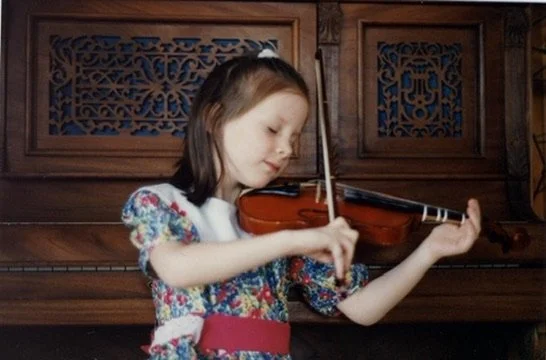
For a long time I was in denial about the level of stress I was experiencing, because it was my baseline. I remember back in college, I was hoping there would be a class to teach us how to deal with stress. At Juilliard, there was one class that taught me about sports psychology and the power the mind can have in the preparation of a stressful event through visualization. It was mostly mindset principles, and it was fascinating and definitely helpful in dealing with a very specific timeframe, the pre-performance part. But what happened as soon as the performance was done? I would ride the high that comes with it, then crash hard. Juilliard also taught me Alexander Technique and how to align my body to efficiently support what is a very physically demanding career. Even with these tools, I was still feeling like the elastic band was getting tighter and tighter and never really fully relaxed. So I started practicing yoga, which is wonderful. Yoga is still part of my routine. It feels amazing and the mind does quiet, but it never reached the deep underlying hum of stress I felt in my day-to-day life. And everything seemed fine enough, so I told myself “I’m tough, I can handle this, I just need more exposure and I’ll get used to it!” (spoiler, I never did…)

I auditioned for the concermaster job in the Kitchener-Waterloo Symphony while I was finishing up my Master’s at Juilliard. By the time the audition process wrapped up (over a year), I accepted the job and Ian and I moved to KW. I believe the first 5 years in an orchestra job are the hardest, and I have always put a lot of pressure on myself to give my 110% in everything I do. This was no different. I remember these years being equal parts exciting and gruelling as I was learning the bulk of the orchestral repertoire on very quick turnaround (we had a new program mostly every week). Stepping into a leadership role at 24 years old, as a woman, is not an easy thing to do. Most of my colleagues (all of them older than me, most by 20 plus years) were supportive and welcoming, but some were not. This was essentially a pressure cooker and I dealt with it with as much grace as I could. I have to recognize that through this time in my life, although not always pleasant, I did grow and learn a ton. Still, the elastic band was getting stretched even more. I was now a master of “high-functioning anxiety”, no one except those closest to me could ever guess that something was wrong because I was so good at hiding it.

Then the whole world collapsed. I just had my first baby in 2019 when everything shut down early 2020. I was at home, not facing any performance stress, but plenty of other stressors were present, and that’s the first time I realized that maybe this stress was just there all the time, not just when I played a concert. I chalked it up to being a new mom and growing pains being normal in my new role. For my second baby, everything was still not fully back to normal (especially the in-person events like concerts) so we decided to move back to Quebec to be around my family so I could get a bit more support. Things were still not settling and I was questioning everything by that point, struggling with depression, anxiety, and constantly trying to fix something I couldn’t quite identify clearly. I tried therapy, meditation, implementing more self-care into my routine, but the elastic band was getting alarmingly tight. I didn’t know who I was anymore, the truth being that my identity had been intertwined with violin from the age of 5 and I kind of lost my sense of self even further when I became a mom. At this point I believed that being on stage would actually help me feel like myself again, so we sold our house in Quebec and bought a house sight-unseen back in Ontario where my orchestra is. I was very optimistic that this would make me feel normal again. The day we finished packing up our house in Quebec I got the email not to come to work the following Monday. The orchestra was declaring bankruptcy. Talk about timing, it really was a straight out of a movie kind of situation. That for me was the last stretch of the elastic that finally made it snap. For 2 years after that, I was barely surviving. I completely disassociated from my emotions in that time. I was in survival mode.

I was introduced to Samatha Skelly, founder of Pause Breathwork, in May 2025 through a free masterclass on Jenn Pike’s Synced platform (that’s where I get my wonderful workouts from). In that session, I cried, I wept, I felt things I didn’t even know were there to be felt. I was shaken to my core, in the best way possible. I knew I had just experienced something truly special. Over the summer, I participated in a few free practicum sessions with students from the same program I am now taking. Every session, something different would come up. In these sessions, I experienced release from a wide range of emotions; sadness, anger, frustration, grief. This is when I knew I needed to learn more about this modality and share this gift with the world. Because somehow, as humans, we forgot how to breathe. We go about life holding our breaths, only using it to survive. But our breaths are the most incredible, accessible, free tool we can use to truly thrive.

Now, don’t get me wrong, I haven’t found the magic cure to stress, I still experience a lot of it on a daily basis (hello motherhood and performing arts career!), but I have found a way to truly release it from my body instead of repressing it and carrying it around with me. What did I change? Quite a few things, actually. I started strength training about a year ago (seriously, check out Synced, it changed my life!) and started eating more (yes, stress was affecting even my appetite). I now feel strong and healthy in my body. But there was still something I couldn’t quite put my finger on until I experienced breathwork. You see, every emotion that we experience, but don’t let ourselves truly feel, gets stored in the body. This is what I was doing with all the stress I was experiencing. I thought I could handle it by ignoring it, by repressing it. Turns out, that’s a recipe for disaster. The body does keep score. Breathwork is like finally finding your relief valve, it allows your system to evacuate the built-up pressure.

So, why is a facilitator trained in a trauma-informed approach (Pause breathwork) crucial when it comes to breathwork? Why not just find a video tutorial and do it on your own without a guide? After all, breathing is free! The answer is simple; it’s because if we release too much too soon, we can feel overwhelmed and even risk re-traumatizing ourselves, which then leads back to a shutdown of our emotions. The goal is to regulate the nervous system first by creating a safe environment both physically and emotionally, and the facilitator acts as a guide through this. When our body feels safe, it allows us to go deeper and release what has been repressed and stored there from the moment we were born. We call this titration. By breathing consciously and in different patterns, we can also start to increase our capacity to handle stress. In a breathwork session, the breather is always their highest authority and chooses the intensity, depth, and speed of the breath according to their own physical sensations, and their own threshold for safety.

I also want to validate that although your circumstances might not look anything like mine, as humans, we all experience stress and trauma, this is not a contest. It’s all about trusting ourselves and getting out of our own way so the body can take over and heal itself. You really have to experience it to understand it!

If you’re curious, and ready to get back home to your authentic self, head over to my Coaching page to book a free session. Please share this with anyone you know who might need a respite, and a reminder to take the time to catch their breath.

Read More
Benedicte Lauziere Benedicte Lauziere

Reflections for the New Year

New Year always brings an introspective energy for me, as I reflect on the year we are leaving behind and make wishes for the new one. The unknown, with all its promise and uncertainty, is something that I’ve felt uncomfortable with in the past. It is also something that I was forced to live in when the bankruptcy happened in 2023. Looking back, I’ve always tried to make myself busy and say yes to everything as a way to avoid being still with my own thoughts and really having to evaluate what makes me happy. This January, the universe is slowing me down. The Bhangra pops concert that was to take place on January 15 has been postponed to May 23 (mark your calendars!), so I suddenly find myself with a wide open month. Nothing to show up for except what I choose. So, what DO I want to show up for this month? Lately I’ve been feeling the pull to explore different things, such as breathwork. I would love to learn more and eventually get certified to lead others in this incredibly powerful practice that has shown me new ways to cope with stress. As a performer, no matter how long it has been (30 years and counting here), I have found that stress is just part of the equation. It can either paralyze and cripple you into a destructive spiral or you can find ways to channel it into a powerful motivating energy. I want to start everyday reminding myself of this truth by breathing. I would also love to get back into some of the hobbies I used to have before having kids, like sewing and photography. The other thing I look forward to this month is having the time to truly practice, slowly, without a new program looming just around the corner. As an orchestra musician, I have lost the luxury to spend extended periods of time truly learning a piece of music inside and out before performing it. My experience in the orchestra world is that I have such little time to learn something between the last concert and the next first rehearsal, that I actually lost the joy that comes with exploring different interpretations of the music. Well, that and the fact that in orchestra you have to portray someone else’s (hi conductors!) vision of the music, which is not always easy. I will take this month to practice upcoming repertoire, such as Piazzolla’s 4 seasons of Buenos Aires, which I will perform with the Orchestre Classique de Montréal on March 11 with Andrei Feher at salle Pierre-Mercure in Montreal. My last thought before entering into the New Year is to never lose touch with the sense of wonder, learning, and exploration that life brings everyday. Try not to get lost in a routine with my head down again, but instead, look up, ask myself the important questions, and start living my best, most aligned life yet! I wish the same for everyone who reads this as well, happy new year!

Read More
Benedicte Lauziere Benedicte Lauziere

RESURRECTION

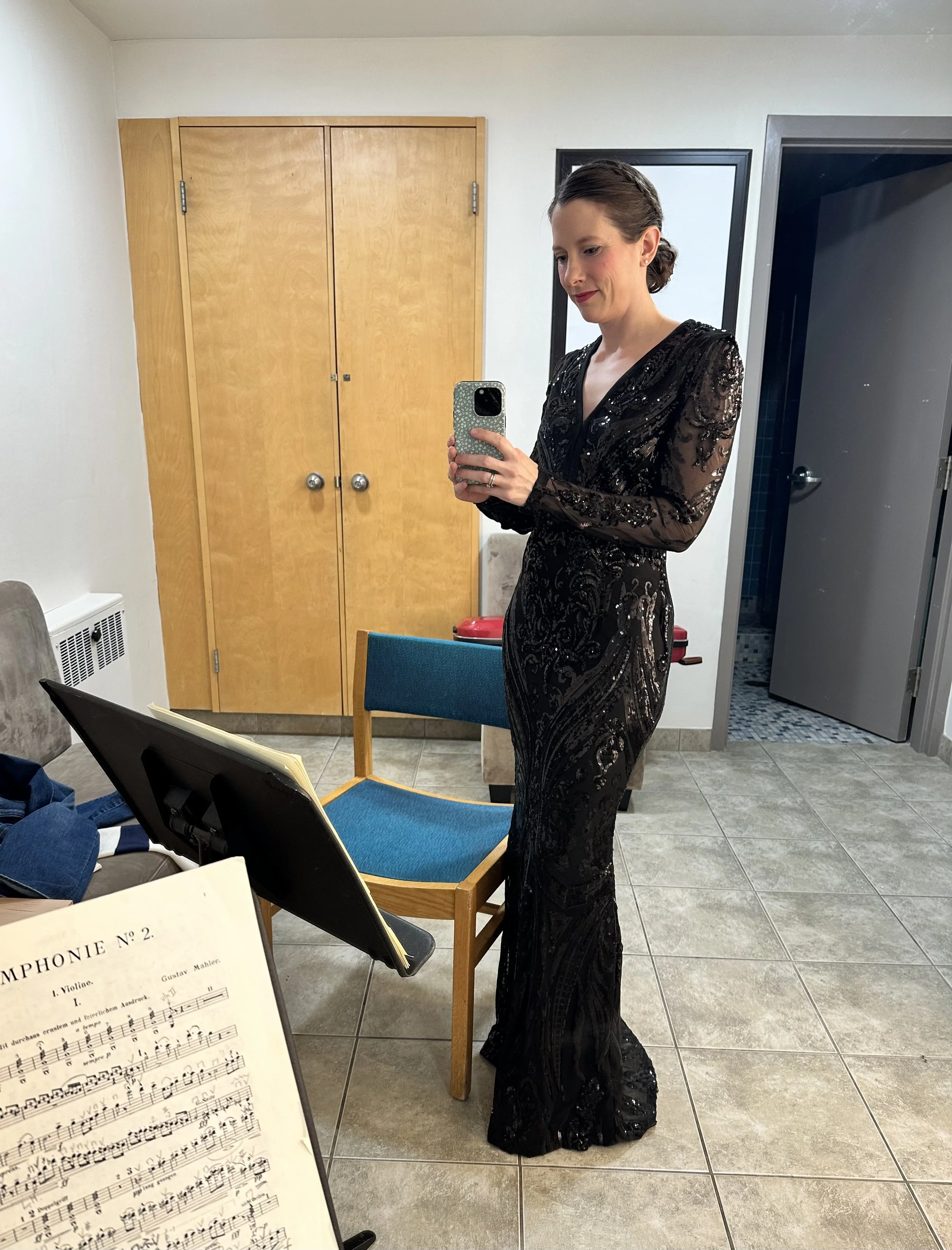
I haven’t written a blog post since fall of 2023 when the KWS announced its bankruptcy and I have to be honest, it has been really hard these past few years. The musicians refused to give up on the orchestra and we were able to find a temporary home at the St Matthews Centre in Kitchener as the Centre in the Square’s fees were just too high for us. We are grateful to still have concerts at the St Matthews Centre, but I am beyond excited to get back to Centre in the Square to play Mahler Symphony No.2 “Resurrection” on November 20th.
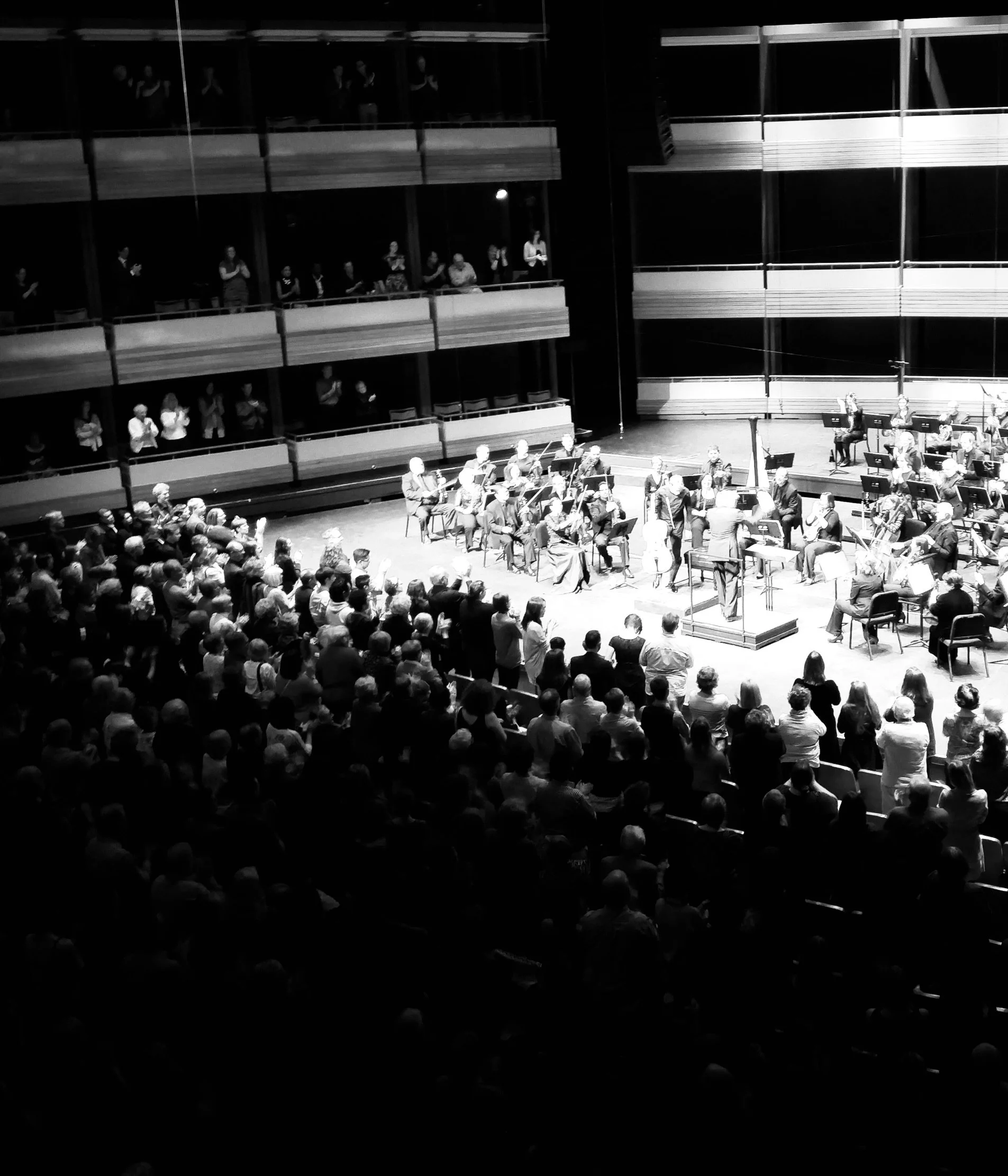
For those of you who might not know, the Centre in the Square has one of the best acoustics for orchestral ensembles in the country. It was built in 1980 by Raffi Armenian, who was Music Director of the KWS then. He had a vision of KWS putting together full Wagnerian opera productions, which is why it has such a huge pit (the story goes around that a crew member at CITS once asked why there was so much storage under the stage… Safe to say it’s not being used like it was meant to).

To go even deeper into the importance a hall plays in the lives of orchestral musicians, I would explain it like the hall is our instrument. Playing in a great hall makes all the difference, and to a violinist Centre in the Square would be like playing a Strad or a Guarneri. There is not a bad seat in the house, but my personal favorite is the concertmaster one :).

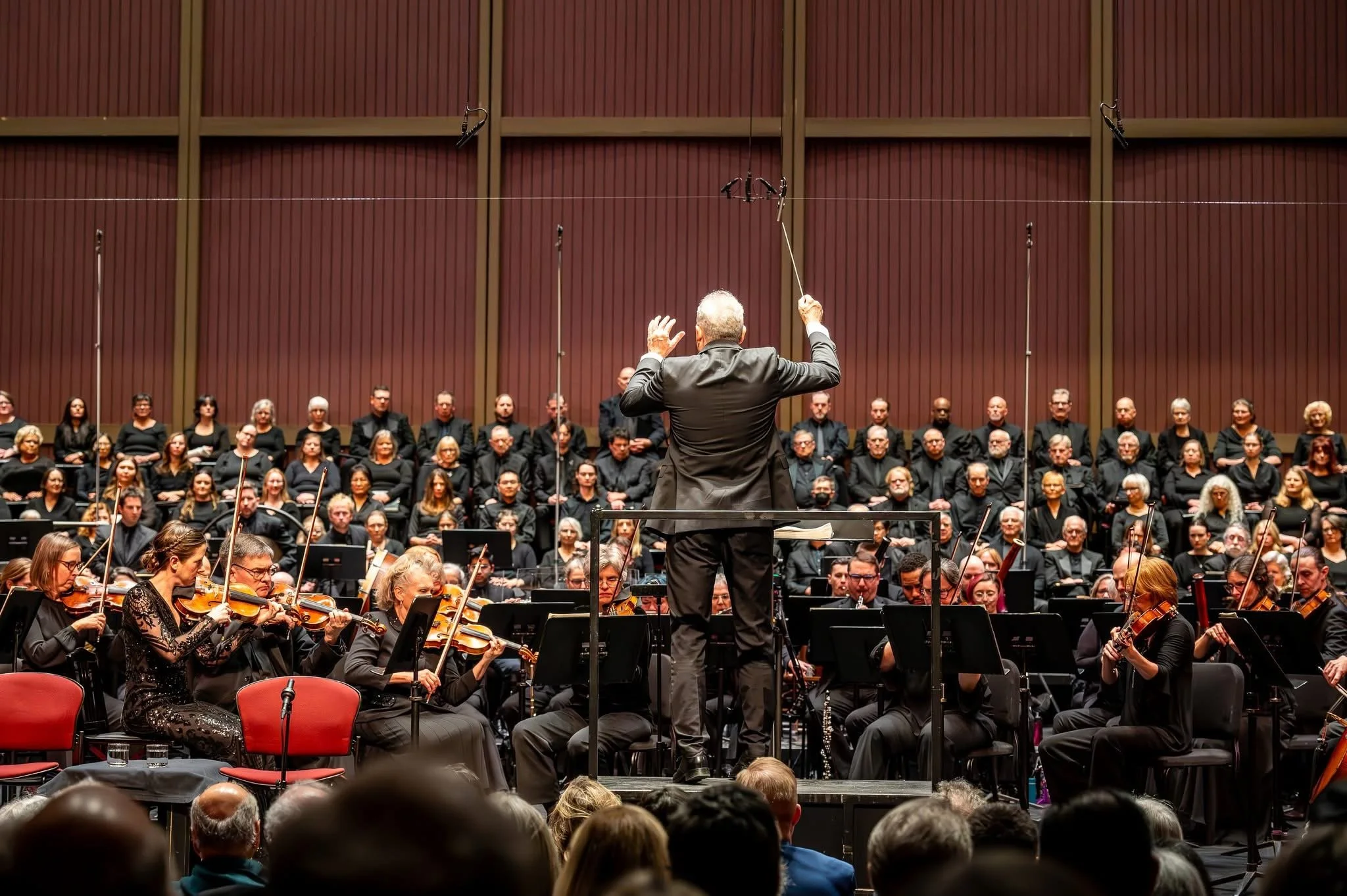
So you can imagine what a thrill I get to be going back on stage with my colleagues of the Kitchener-Waterloo Symphony at Centre in the Square to bring Mahler Symphony no.2 “Resurrection” to life on November 20th. It is also a full circle moment for the orchestra as this was the very first piece of music to be performed by KWS at Centre in the Square on its opening night.

Mahler’s Symphony No.2 has five movements, and the following program was written by Mahler for a performance of his 2nd symphony that took place in Dresden 1901.

First Movement: Allegro maestoso

“We are standing near the grave of a well loved man. His whole life, his struggles, his sufferings and his accomplishments on earth pass before us. And now, in this solemn and deeply stirring moment, when the confusion and distractions of everyday life are lifted like a hood from our eyes, a voice of awe-inspiring solemnity chills our heart, a voice that, blinded by the mirage of everyday life, we usually ignore: “What next?” it says. “What is life and what is death? Will we live on eternally? Is it all an empty dream or do our life and death have a meaning?” And we must answer this question, if we are to go on living. The next three movements are conceived as intermezzi.”

Second Movement: Andante

"A blissful moment in the dear departed’s life and a sad recollection of his youth and lost innocence."

Third Movement: Scherzo

“A spirit of disbelief and negation has seized him. He is bewildered by the bustle of appearances and he loses his perception of childhood and the profound strength that love alone can give. He despairs both of himself and of God. The world and life begin to seem unreal. Utter disgust for every form of existence and evolution seizes him in an iron grasp, torments him until he utters a cry of despair.”

Fourth Movement: Alto solo. ‘Urlicht’ (Primeval Light) – from the Knaben Wunderhorn

The stirring words of simple faith sound in his ears: “I come from God and I will return to God!”

Fifth Movement: Aufersteh'n

Once more we must confront terrifying questions, and the atmosphere is the same as at the end of the third movement. The voice of the Caller is heard. The end of every living thing has come, the last judgment is at hand and the horror of the day of days has come upon us. The earth trembles, the graves burst open, the dead arise and march forth in endless procession. The great and the small of this earth, the kings and the beggars, the just and the godless all press forward. The cry for mercy and forgiveness sounds fearful in our ears. The wailing becomes gradually more terrible. Our senses desert us, all consciousness dies as the Eternal Judge approaches. The last trump sounds; the trumpets of the Apocalypse ring out. In the eerie silence that follows, we can just barely make out a distant nightingale, a last tremulous echo of earthly life. The gentle sound of a chorus of saints and heavenly hosts is then heard: “Rise again, yes, rise again thou wilt!” Then God in all His glory comes into sight. A wondrous light strikes us to the heart. All is quiet and blissful. Lo and behold: there is no judgment, no sinners, no just men, no great and no small; there is no punishment and no reward. A feeling of overwhelming love fills us with blissful knowledge and illuminates our existence.”

You really have to experience this monumental musical masterpiece in person to feel it to the fullest, so join us on November 20th at 7:30PM at Centre in the Square for what is sure to be an unforgettable evening.

Tickets are going fast, so grab your seats here before they’re all gone!

Read More
Benedicte Lauziere Benedicte Lauziere

Silence...

KWS filed for bankruptcy days before we moved into our new house in Waterloo. I still feel paralyzed by the situation I suddenly find myself in. I don’t know what move might be the right one for me at this time so I find myself not knowing where to channel my energy. I started practicing for the few gigs I was able to line up but my mind seems to always bring me back to what we would have been playing at KWS.

Read More
Benedicte Lauziere Benedicte Lauziere

Some news

Happy new year!

It has been a great but crazy few months! Ian and I bought a house and moved, and we are still in the midst of renovations! Albus is getting accustomed to his new palace (it seems he is king of the new house, just like before...!), he is finding new places to hide and play. The holidays are almost over, soon I get back to work at the KWS, but I still have a few more days to keep making progress on the Barber concerto, which I will be playing with KWS in April. It has been a tricky balance of rest and practice since I have had problems with tendinitis in the left arm since late October. It is getting better though, so I have hope! Ian and I are thinking of adopting a new cat or kitten in the near future, we'll see how this develops!

P.S. People in the Kitchener area, check out an article in the Grand Magazine, I also made the cover...!

IMG-0844.JPG
Read More
Benedicte Lauziere Benedicte Lauziere

Making music with my husband and more

First thing I want to say is how much fun I had playing across the orchestra from my husband Ian (rock star bass player) again for the first time in years last week! We were both mentors for the National Academy Orchestra of Canada with Boris Brott. We played some "best of" opera, and had a really fun time, shout out to Megan Jones and Boris for their vision! Ian, you did a great job, I am so proud of you!

At the same time, I also started my Bachelor of Interior Design classes online! I have to say, I already love it! I started learning about drafting by hand, and discussed my influences in design and architecture with my classmates.  A lot were from NYC, no surprises there, NYC was such an amazing city to live in! A few of them were the Chrysler Building from the Art Deco movement, and the Hypar Pavilion accross the street from Juilliard as part of Diller Scofido + Renfro's redesign of Lincoln Center (go check out their website, they are amazing!).

Albus has been loving the time I now spend studying and writing for my classes, he comes into my office/studio and curls up in his basket by the window. Of course, he would never be caught in there when I practice (he hates the sound of the violin), so it has been nice to have company at least for a portion of the day!

As if all that wasn't enough, I also organized all my music by composer, alphabetically, and put all that music in a filing cabinet... It took HOURS but was definitely worth it, check out all the stuff I have below, and how little space it takes now! I was getting tired of never finding what I was looking for, like the piano part to Beethoven concerto, which I am playing in a few weeks with the NAO and Boris Brott (see concerts for tickets).

I admit it, I have been neglecting my workouts lately, but it has been so busy! I'll have to schedule them in my calendar from now on..! I continue to see my osteopath, which is really helping relieving tension in both arms, neck and back from playing! I am also excited to see a naturopath this week, I'll let you guys know how it goes in my next blog post!

Read More
Benedicte Lauziere Benedicte Lauziere

Some news and an anecdote featuring Albus

Beethoven concerto is coming along, I have been working on re-learning it by memory, and I find it so much easier than the last time I did it! Of course, it could be because the last time I learned it, I just had a concussion... All joking aside, I am feeling more confident in my skills as a violinist lately, which is really great! In all honesty, and from experience, I know that this kind of feeling comes and goes, so I plan to enjoy it as much as I can while it lasts and get some good practicing done!

On a completely different note, I have some exciting news to share, I have been accepted to a Bachelor of Interior Design online through the RCC Institute of Technology! I am so happy and excited about this! Don't worry, my work as a violinist won't suffer, all it means is that instead of watching TV, I'll be learning a whole new skill set! By the end of the degree, I'll be able to design a home, isn't that amazing? That won't be for another 3 years though...

And now a little about Albus... He has been very good, except for the last two times we took him out for a walk in his harness. He has been very jumpy when he's outside, and as a result, got out of his harness twice..! That is terrifying for Ian and I because we have a busy street nearby... So here's what happened. The first time, Ian got my phone for me (I was holding the leash) from the table in the yard, and as he was coming back towards Albus and I, Albus got spooked and bolted, taking the leash out of my hands. He ran through the neighbor's yard, still trailing the leash, then realized it wasn't his house, and went through the fence between our yard and the neighbor's. The leash handle got stuck in the fence, and he managed to get out of his harness. Panicked, he ran THROUGH the screen door and inside the house. We were afraid he got hurt, but he was fine, just a little freaked out. The second time was many days later, and we made sure his harness was nice and tight, but he still got out of it by circling a tree (Ian couldn't follow him, he was going so fast!) and backing out of it... That time the glass door was closed, and he had the good sense to stop and meow for me to open the door. After all that, I don't think we'll be taking him out for walks again... Anyway, I leave you with a cute picture of the little bandit, check again soon for another post! 

IMG_0248.JPG
Read More
Benedicte Lauziere Benedicte Lauziere

The king of violin concertos

Last week was all about easing back into playing. I started practicing Beethoven concerto for the concert coming up on August 1st, and it has been really fun to revisit! Albus has not been a fan though, he really doesn't like the sound of the violin in general, but I don't think that it's a reflection on my playing..! It's just hard for me to disturb the cutest sleeping cat ever when I start practicing (see picture below)... Luckily I know there are plenty of other rooms for him to go snooze in, so I don't feel too bad. I call Beethoven concerto the King of all violin concerti, I love the simplicity and easiness of the music, and I'll be working on making it sound that way for the next month and a half! I've also had the time to go to the gym more regularly, both for yoga and working out, and to stay motivated, I've used a few essential oils. My favorites right now in the practice room are citrus and mint combinations (I love diffusing wild orange and peppermint, or lemon lime and grapefruit), they keep me focused and awake in the heat of South Western Ontario! At the gym, I really like the blend "Breathe" (bay laurel, eucalyptus, peppermint, tea tree, lemon, ravensara and cardamom) on the chest and throat before starting, and Cypress on the legs right before leaving the gym. I've also had a few projects on the side, like trying new recipes ("Super-fast beef hash, baked potatoes, goddess salad and lovely butter beans and bacon" from Jamie Oliver's Meals in minutes, Ian and I really enjoyed it), refinishing an old window that we found on the side of the road to make it a frame to hang pictures and notes in, and gardening. Wow, I didn't really realize how busy we've been until I wrote it down... This week, I'd like to paint, maybe sew something, and of course continue practicing! We'll see how it goes, I'll try to write a post every week, so check back soon! 

Albus sleeping in practice room
Read More
Benedicte Lauziere Benedicte Lauziere

Relaxing in my first week of vacation

I just started my vacation a week ago today, and with a lot of accumulated stress from the season at KWS, I am just trying to relax as much as possible... I gave myself a break from violin, at least until tomorrow, because then I have to start practicing for summer gigs (see calendar tab)! This morning, Ian and I went to the patio in our garden, had our coffee, walked our cat Albus in his harness and gardened. I find that gardening is a great way to let go of stress, at this time in our garden there is an amazingly fragant white flower (first picture shown below, I don't know the name, if you do, let me know!), so the smell is great, and I find in general that playing around in dirt is very therapeutic. Anyway, here are a few pictures from the garden this morning, hope you enjoy!

Read More